Perth Design Week 2026
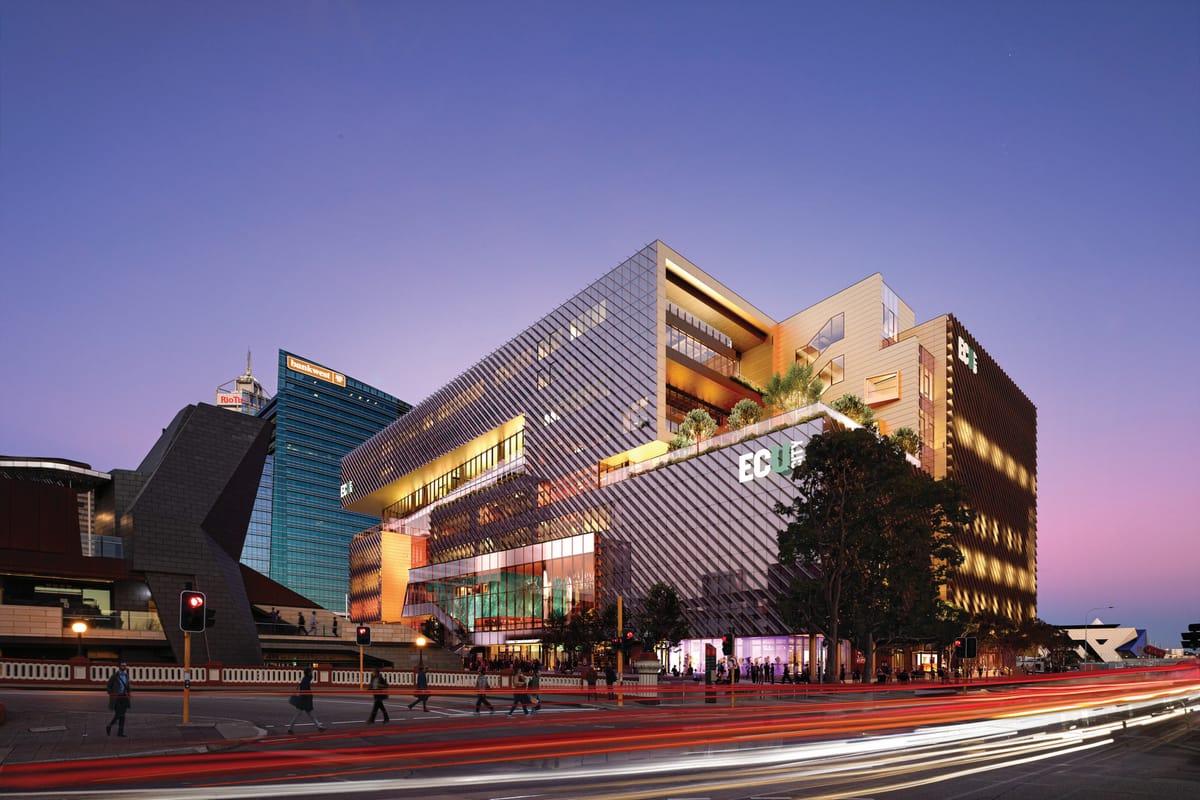
Perth Design Week 2026 brings a week-long constellation of talks, exhibitions and gatherings to Perth/Boorloo from 19–26 March, with a program that moves fluidly between architecture, interiors, public space, sustainability and the social life of the city.
Now in its fourth year, Perth Design Week returns to the city and surrounds with a public-facing program pitched to practicing designers, students and anyone simply curious about how design shapes daily life. Across eight days, events unfold in venues including WA Museum Boola Bardip, The Mark, CBD spaces and a dedicated PDW Local HQ, supported by the Government of Western Australia and a cluster of major industry partners.
Headline exhibitions and installations
The anchor exhibition of the 2026 program is “Chirriger Moort, A 30 Year Retrospective of the Work of Peter Farmer,” tracing three decades of practice by Noongar artist Peter Farmer at WA Museum and spanning art, fashion and interiors. Running throughout the week, it foregrounds First Nations perspectives within contemporary design discourse and underlines the festival’s emphasis on cross-disciplinary collaboration.
PDW Local HQ operates as a kind of festival commons, showcasing sustainable furniture and interior concepts while hosting meet-the-designer sessions, student-focused events and an opening night gathering for the wider design community. The PDW Digital Detox Lounge at The Mark extends this exploration of interiority and wellbeing, inviting visitors into a tactile, screen-light environment that tests how furniture and spatial design can support more reflective modes of inhabiting the city.
Talks, panels and urban conversations
The calendar of talks begins with “Designing the future,” an event that threads together art, design technology, sustainability and young designers, framing the week around emergent practices and speculative thinking. A complementary session, “The Ripple Effect: Immersion as a Catalyst for Community,” looks at how immersive art and design projects can foster new forms of civic connection and shared experience.
Urban questions come to the fore in “Designing a 24-hour city,” which tackles adaptive reuse, architecture and sustainability in the context of Perth’s evolving night-time economy. Later in the week, “Designing apartments: living large in small spaces” focuses in on compact living, asking how architects can reconcile density, amenity and environmental performance in multi-residential design.
The two-part “Home” series hosted at The Mark approaches domestic space from different angles across Part 1 and Part 2, drawing out how architecture and interiors collaborate to shape our sense of comfort, identity and belonging. “Designing spaces for culture” at WA Museum extends this thinking into the public realm, examining how cultural institutions can be designed as porous, welcoming civic rooms rather than closed monuments.
Community, participation and play
A cluster of PDW Kids events introduces younger audiences to design through hands-on making, with “PDW Kids: Make Perth’s Oldest Building” inviting children to reimagine local heritage, and the “CONNETIX Challenge” turning construction play into an exercise in spatial thinking. A dedicated “Local HQ for students” session offers emerging designers a way into the festival’s professional networks and exhibitions.
For those who prefer to encounter ideas in more informal formats, the “Design Book Club” brings readers, practitioners and enthusiasts together around design-led publishing at The Mark. “Pecha Kucha: Progress” gives the floor to architects, interior designers, sustainability specialists and young designers in rapid-fire presentations, compressing a broad sweep of projects and provocations into one lively evening.
Networking, nightlife and festival atmosphere
Across the week, the program interweaves structured content with social occasions that encourage cross-pollination between disciplines. “PDW Local HQ: opening night” and “PDW Local HQ: Meet the Locals” turn the HQ exhibition into a meeting ground for furniture and interior designers, sustainability advocates and the broader public. In the CBD, “Gin & Trace” pairs an evening social setting with design-led conversation, demonstrating how networking can be both relaxed and purpose-driven.
Events like “Interior Design Case Studies: From Intent to Outcome” offer a more focused, practice-based look at how projects evolve from concept to completion, while “Design soapbox: Join the conversation” opens the floor to public commentary and debate on the futures of design in Western Australia. As the week closes, “Designing with purpose” and “Designing Value: Where Beauty meets the Bottom Line” interrogate how ethics, aesthetics and economics intersect in contemporary practice, before the “PDW 2026 After Party” gathers the community one last time in the CBD.
Why it matters
Perth Design Week 2026 positions design not as a niche specialty but as a public conversation that touches housing, cultural infrastructure, sustainability and the rhythms of city life. With its blend of exhibitions, talks, kids’ activities and late-night gatherings, the program offers multiple entry points for audiences to engage with how spaces, objects and systems are imagined and made in Perth today.